Back to Blog
Lead Scoring for Service Professionals: How to Prioritize Prospects and Close More Deals in Less Time

When 30 leads come in per month and you only have time to close 5, who you call first matters more than any other sales decision. Lead scoring is the system that answers that question with criteria instead of gut feeling.
What Makes a Lead Worth Prioritizing: The Scoring Criteria
Without a scoring system, service professionals tend to follow up first with whoever arrived most recently or asked the most questions — not necessarily the ones most likely to close. That wastes time on cold leads while hot ones wait.
The criteria that best predict close rates for service professionals in LATAM:
|
Criterion |
Weight |
What it measures |
|---|---|---|
|
Fit with ideal customer profile (ICP) |
30% |
Industry, role, business size, location |
|
Problem urgency |
20% |
Do they need a solution now, or are they "just exploring"? |
|
Budget confirmed |
15% |
Did they mention a range or ask about pricing? |
|
Prior content engagement |
15% |
Did they comment, save, watch multiple Reels, open emails? |
|
Lead source |
10% |
Referral > targeted ad > cold organic |
|
Response speed |
10% |
A lead who replies within 1 hour converts at higher rates |
Marketing automation increases sales productivity by 14.5% and reduces marketing overhead by 12.2%, per Nucleus Research — and most of that savings comes from eliminating time spent on leads that were never going to close.
How the ManyChat → HubSpot Stack Qualifies Leads
ManyChat and HubSpot play distinct roles in the scoring process: ManyChat captures qualification data in the initial conversation; HubSpot receives it, assigns the score, and decides what happens next.
Typical flow:
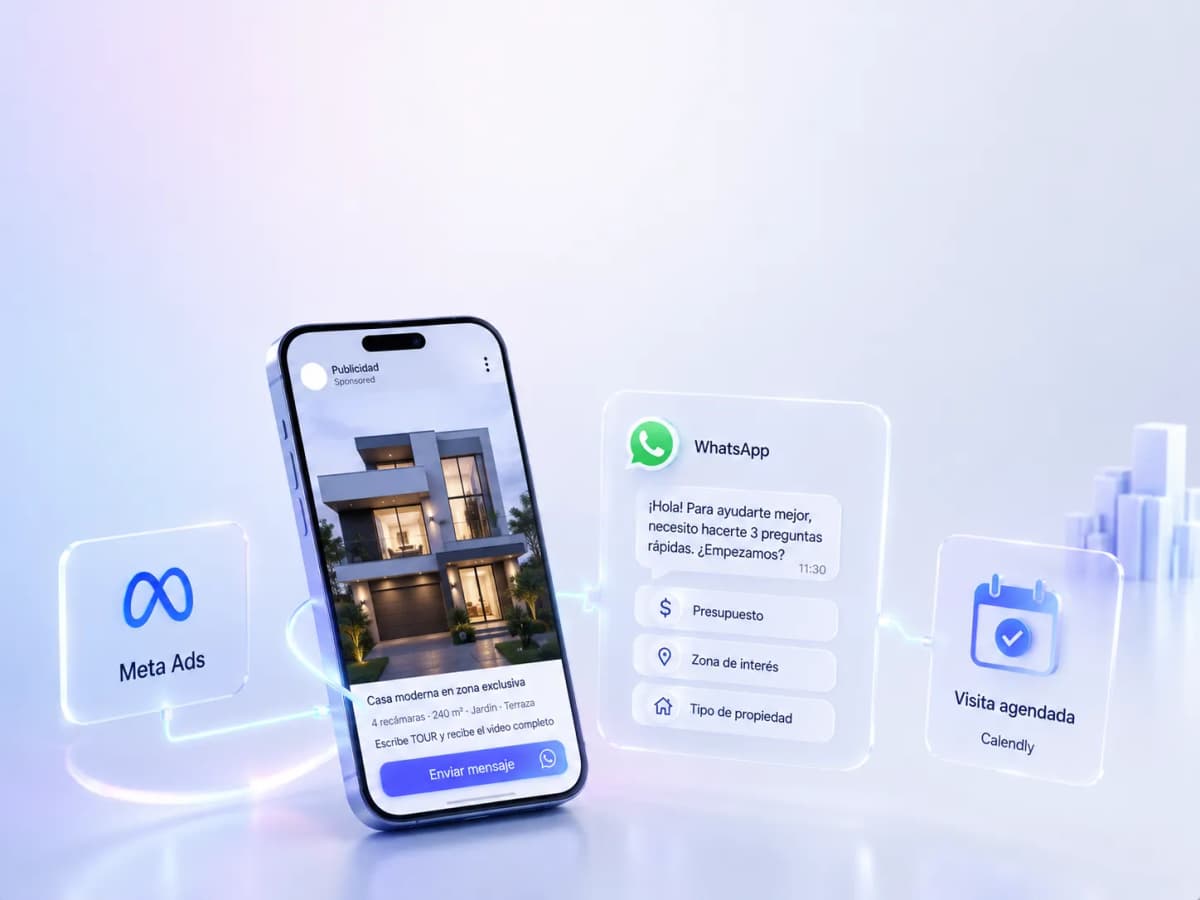
- Lead comments a keyword on a Reel or responds to an ad → ManyChat delivers the promised resource
- ManyChat asks 1–3 qualification questions: "What type of business is this for?" / "Do you have a budget in mind?"
- Responses are automatically logged as properties in HubSpot via webhook
- HubSpot assigns the corresponding tag: hot (≥70 pts), warm (40–69 pts), cold (<40 pts)
- Hot leads go into the team's "immediate follow-up" view; warm leads enter an automated nurturing sequence; cold leads stay on the content list

Accounts using comment-triggered automation see 3–5x more DM conversations per post than those replying manually, per ManyChat. That means the volume of leads ManyChat passes to HubSpot for scoring can scale significantly without adding manual work.
Different Messages for Different Score Tiers
Scoring loses its value if every lead gets the same message after qualifying. Personalization by priority tier is what turns the system into a real sales advantage.
Hot lead (≥70 pts) — follow up within 2 hours:
"Hi [name], I saw you're looking for [specific solution] for [business type]. I have 15 minutes this week to review whether what we do makes sense for your situation. Does [day] at [time] work?"
The message is direct, personalized, and proposes a concrete next step. For generating the right version per vertical — coach, dentist, real estate agent — ChatGPT or Claude can produce tailored variations while keeping the tone consistent.
Warm lead (40–69 pts) — automated nurturing sequence:
A warm lead doesn't need immediate personal follow-up — they need more context. A 3-message HubSpot sequence over 7 days (success story, relevant article, webinar invitation) can move them to hot without any human intervention.
Cold lead (<40 pts) — content only, no manual follow-up:
Manually following up with cold leads is where most selling time gets wasted. Cold leads go onto the content list and receive the same Reels and articles as all followers — no team time invested until their behavior changes.

Ready to Get More Clients?
At Asio, we teach you to implement these strategies step by step through the Mastery program — combining Meta Ads, ManyChat, and conversational automation so you get more appointments and close more sales, without relying on manual messages.